

Introduction: The Guilt-Free Indulgence You’ve Been Waiting For
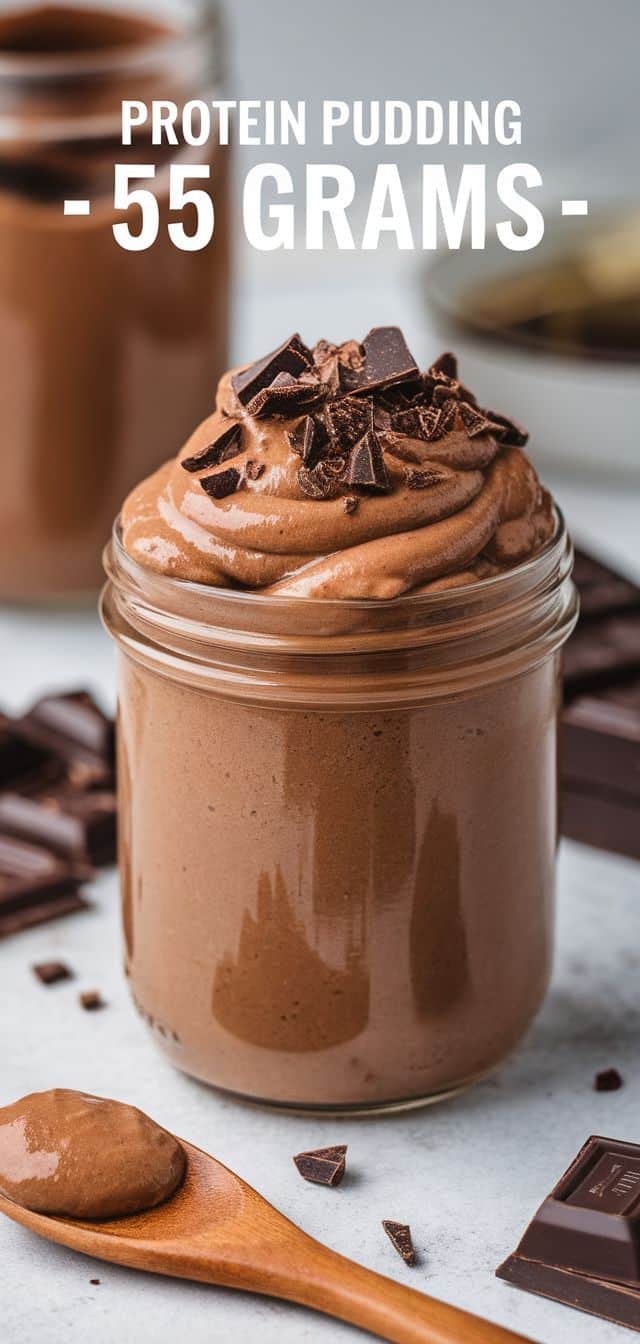
Visualize the perfect dessert. It sits in a glass jar, condensation gathering on the cool exterior. The surface is a landscape of velvety, rich chocolate mousse, crowned with jagged shards of dark chocolate that promise a satisfying crunch. You dip your spoon in, and the texture is thick, creamy, and decadent. In a traditional culinary world, this image screams “cheat day”—a sugar-laden calorie bomb destined to spike your insulin and derail your progress.
But this isn’t traditional. This is the future of functional nutrition.
What if that very same jar contained a staggering 55 grams of high-quality protein? What if it fit perfectly into a ketogenic lifestyle, devoid of added sugars, and actively contributed to your muscle recovery? This is not a fantasy; it is the low carb protein pudding revolution.
For fitness enthusiasts and health-conscious individuals alike, the battle between craving sweets and adhering to a strict nutritional regimen is a constant struggle. We are often told that we must sacrifice flavor for function, or texture for macros. This article dismantles that myth. We are about to explore the ultimate high protein dessert—a culinary masterpiece that serves as both a treat for your palate and fuel for your physique. Whether you are looking to build lean mass, manage your blood sugar, or simply enjoy a healthy chocolate dessert without the guilt, you have arrived at the right place.
What Makes Low Carb Protein Pudding a Game-Changer?
The concept of dessert has evolved. Historically, desserts were viewed as empty calories—foods that provided pleasure but offered zero physiological benefit. However, the rise of the functional food movement has birthed a new category of nutrition where the line between “supplement” and “meal” blurs.
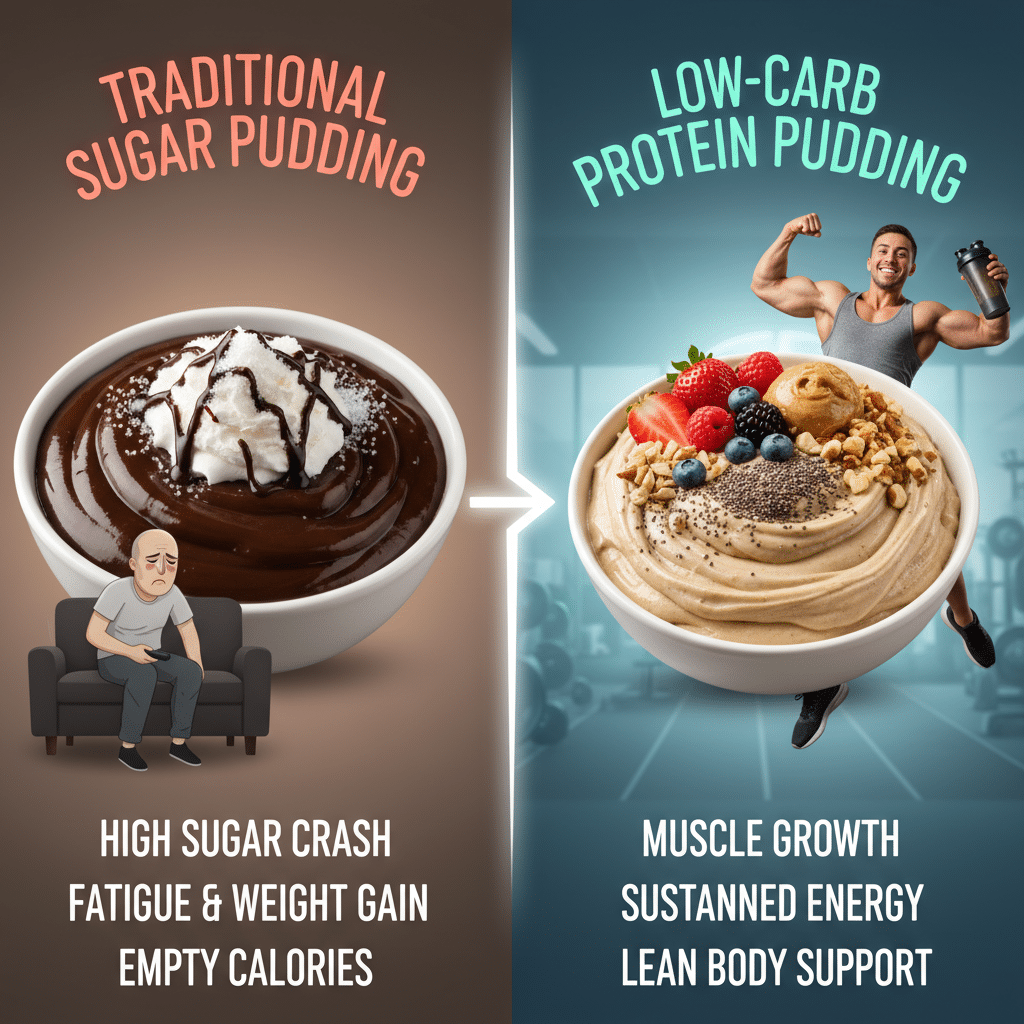
Low carb protein pudding is a game-changer because it solves the “satiety gap” often found in dieting. When you restrict carbohydrates, your body craves quick energy. Traditional sweets provide that energy but lead to a crash. A keto chocolate pudding, rich in healthy fats and proteins, does the opposite. It stabilizes blood sugar and provides sustained energy.
Furthermore, the psychological aspect of dieting cannot be overstated. Restrictive diets often fail because they feel punitive. By incorporating a sugar-free protein pudding that mimics the mouthfeel and taste of full-fat, sugar-heavy mousse, you eliminate the feeling of deprivation. This adherence factor is critical for long-term success in any fitness journey.
Unlike a protein shake, which is often gulped down in seconds, a pudding requires you to sit and eat with a spoon. This act of eating slows down consumption, allowing your body’s hunger signals (leptin and ghrelin) to communicate effectively, leading to greater satisfaction with fewer calories.
The Nutritional Powerhouse: Decoding 55g of Protein
The headline feature of this recipe is the massive 55-gram protein payload. To understand why this is significant, we must look at the science of protein synthesis and satiety.
The Thermic Effect of Food (TEF)
Protein has the highest Thermic Effect of Food compared to fats and carbohydrates. Roughly 20-30% of the calories in protein are burned just by your body digesting and processing it. By consuming a muscle building dessert with such a high protein count, you are essentially boosting your metabolism while you eat.
Muscle Protein Synthesis (MPS)
For those aiming to build muscle, the threshold for maximizing Muscle Protein Synthesis is generally considered to be around 20-40 grams of protein per meal, depending on body weight and training intensity. A 55-gram serving ensures you are well above the leucine threshold required to trigger anabolic processes. This makes the pudding an exceptional post-workout meal or a pre-sleep snack to prevent muscle catabolism overnight.
Satiety and Blood Sugar Control
Protein is the most satiating macronutrient. A high protein dessert of this magnitude will keep you full for hours, significantly longer than a carbohydrate-heavy snack. For individuals managing insulin resistance or diabetes, the absence of sugar combined with high protein blunts the glycemic response, making this a safe and healthy chocolate dessert.
Essential Ingredients for Your Perfect Low Carb Protein Pudding
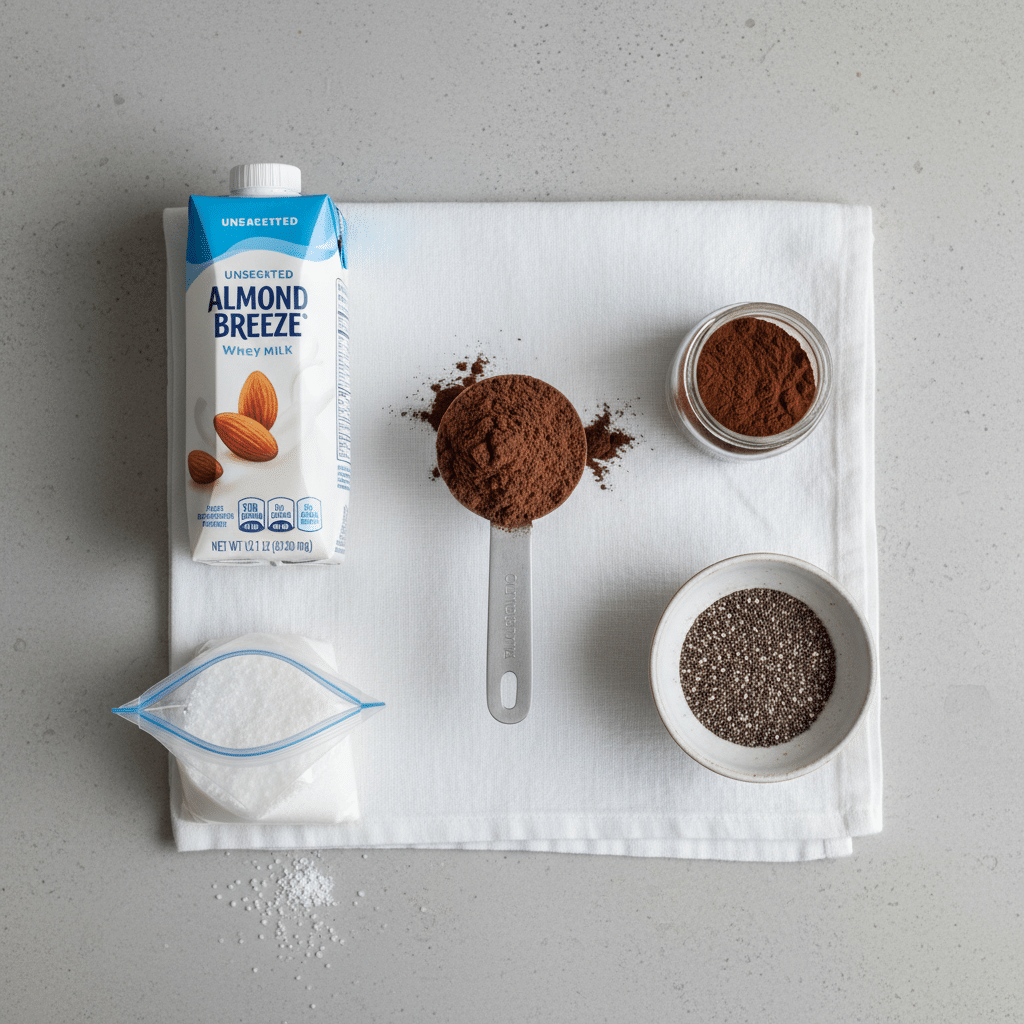
To achieve the texture seen in the hero image—thick, glossy, and aerated—you cannot simply mix whey protein with water. The chemistry of the ingredients matters. Here are the components required to build the ultimate keto chocolate pudding.
1. The Protein Base: Casein vs. Whey
While whey protein is popular for its fast absorption, it is often too thin for pudding. Micellar Casein is the secret weapon here. Casein is a slow-digesting protein that thickens significantly when mixed with liquid, creating a sludge-like or pudding consistency. If you only have whey, you will need additional thickeners. A blend of whey and casein (often sold as “milk protein isolate”) is the gold standard for texture and amino acid profile.
2. The Liquid: Almond or Cashew Milk
To keep this a low carb protein pudding, we utilize unsweetened almond or cashew milk. These liquids provide a creamy base without the lactose sugars found in cow’s milk. For a richer, higher-calorie keto version, heavy cream or canned coconut milk can be substituted.
3. The Thickening Agents
If you are strictly using whey, or if you want an extra-thick consistency similar to ganache, you need a binder.
- Xanthan Gum: A tiny amount (1/4 tsp) can transform a runny liquid into a thick gel.
- Greek Yogurt: Adds tartness and creaminess, plus extra protein.
- Avocado: Don’t knock it until you try it. It adds incredible creaminess and healthy fats without imparting a strong flavor when masked by chocolate.
4. The Flavor Profile
- Cocoa Powder: Opt for Dutch-processed cocoa powder for a darker color and smoother, less acidic flavor.
- Sweeteners: Powdered Erythritol or liquid Stevia are preferred. They dissolve easily and do not spike insulin.
- Salt: A pinch of sea salt is non-negotiable; it enhances the chocolate flavor and cuts the artificial aftertaste of sweeteners.
Step-by-Step: Crafting Your Delicious Chocolate Protein Pudding
Creating this easy protein pudding is less about cooking and more about assembly and emulsification. Follow this protocol to ensure a lump-free experience.
The “55 Gram” Master Recipe:
- Protein Powder: 2 Scoops (approx. 60g powder) of Chocolate Casein or Whey/Casein Blend.
- Greek Yogurt (0% or Full Fat): 150g (approx. 5.3 oz).
- Cocoa Powder: 1 Tablespoon (unsweetened).
- Liquid: 1/4 to 1/2 cup Unsweetened Almond Milk (add slowly).
- Sweetener: To taste.
Instructions:
- Dry Mix: In a medium mixing bowl, combine the protein powder, cocoa powder, and any granular sweetener. Whisk these dry ingredients together to break up any clumps. This step is crucial for a smooth final product.
- The Yogurt Fold: Add the Greek yogurt to the dry mix. Using a spoon or spatula, begin to fold the yogurt into the powder. It will look dry and crumbly at first—this is normal.
- Liquid Incorporation: Slowly add the almond milk, one tablespoon at a time. Stir vigorously. As the casein hydrates, the mixture will transform from crumbly to a thick, cohesive paste.
- The Whip: Once all liquid is incorporated, whip the mixture rapidly with a spoon or a whisk for 60 seconds. This incorporates air, giving it that mousse-like texture.
- Chill (Optional but Recommended): Place the pudding in the fridge for 20 minutes. Casein continues to thicken as it sits, resulting in a firmer, more spoonable texture.
Beyond Chocolate: Exciting Flavor Variations and Topping Ideas
While chocolate is the classic choice, the world of protein snack ideas is vast. Once you master the base texture, you can experiment with flavor profiles to keep your diet exciting.
- Vanilla Bean Dream: Use vanilla casein, omit the cocoa, and add a drop of pure vanilla extract. Top with cinnamon.
- Peanut Butter Bliss: Add 1 tablespoon of powdered peanut butter (PB2) to the chocolate base. This adds flavor without the massive calorie load of oil-based peanut butter.
- Berry Cheesecake: Use vanilla protein and mix in 1 tablespoon of softened cream cheese. Top with fresh raspberries or strawberries.
The Art of Toppings: As seen in our hero image, toppings provide texture.
- Crunch: Cacao nibs, chopped walnuts, or slivered almonds.
- Freshness: Mint leaves or berries.
- Indulgence: A square of 90% dark chocolate, shaved over the top.
Meal Prepping & Storage: Enjoying Your Pudding All Week Long
One of the greatest advantages of this muscle building dessert is its stability. Unlike baked goods that can go stale, protein pudding often improves with time as the flavors meld.
Batch Prepping: You can easily quadruple the recipe. Use a large food processor to blend the ingredients for a week’s supply.
Storage Vessels: Mason jars (8oz or 16oz) are ideal storage containers. They are airtight, preventing the pudding from absorbing fridge odors, and they allow for portion control. If you prep a large batch, weigh the total amount and divide it by the number of servings to ensure you know exactly how much protein you are getting per jar.
Shelf Life:
- Refrigerator: Consumed within 4-5 days.
- Freezer: You can freeze this pudding! It turns into a texture similar to soft-serve ice cream. Remove it from the freezer 15 minutes before eating for the best experience.
Troubleshooting Common Protein Pudding Pitfalls
Even with an easy protein pudding recipe, issues can arise. Here is how to troubleshoot like a pro.
- Problem: The texture is grainy.
- Solution: This usually happens if the protein powder didn’t dissolve fully. Let the mixture sit in the fridge for 30 minutes, then stir again. The resting time allows the liquid to fully penetrate the powder granules.
- Problem: It’s too runny.
- Solution: You added too much liquid too fast. Add a teaspoon of chia seeds or a sprinkle of xanthan gum and let it sit. The seeds or gum will absorb the excess moisture.
- Problem: It tastes “chalky.”
- Solution: This is often a quality issue with the protein powder brand. However, you can mask it by adding a fat source (like a teaspoon of almond butter) or increasing the cocoa powder.
- Problem: It’s too bitter.
- Solution: Add a pinch of salt. Salt suppresses bitterness and enhances sweetness. Alternatively, add a few drops of liquid stevia.
Integrating Protein Pudding into Your Low Carb Lifestyle
Success in fitness and nutrition is about integration. How does a 55g protein pudding fit into your day?
- The Post-Workout Anabolic Window: After a heavy resistance training session, your body is primed for nutrients. This pudding provides the amino acids necessary for repair.
- The Breakfast of Champions: Who says you can’t have chocolate for breakfast? It is far superior to cereal or toast. It sets a metabolic tone for the day, keeping blood sugar stable and hunger at bay until lunch.
- The Late-Night Savior: This is perhaps the most popular use case. Nighttime snacking is the downfall of many diets. Having a pre-prepped jar of sugar-free protein pudding waiting in the fridge prevents you from reaching for ice cream or cookies. It satisfies the psychological need for a “treat” while physically feeding your muscles during sleep.
Conclusion: Savoring Health and Flavor
The days of dry, tasteless diet food are behind us. We live in an era where nutritional science allows us to manipulate ingredients to create foods that are functionally superior and gastronomically delightful.
This Ultimate Low Carb Chocolate Protein Pudding is more than just a recipe; it is a tool. It is a tool for the bodybuilder seeking hypertrophy, for the keto dieter seeking satiety, and for the parent seeking a healthy alternative for their children. With 55 grams of protein, rich chocolate flavor, and a creamy texture, it proves that you do not have to compromise.
So, grab your mason jar, your favorite protein powder, and a spoon. It’s time to indulge in your health.