

In the daily quest for energy, focus, and a moment of ritual, two titans stand out in the world of caffeinated beverages: coffee and matcha. For centuries, coffee has been the undisputed king of the morning routine for billions, its rich aroma and powerful jolt synonymous with starting the day. Yet, a vibrant green contender, steeped in ancient tradition, has been steadily gaining ground. Matcha, with its promise of calm alertness and a wealth of health benefits, is no longer a niche wellness product but a mainstream rival.
The debate of Matcha vs. Coffee isn’t just about taste; it’s a complex comparison of caffeine delivery, antioxidant profiles, digestive effects, and the very nature of the energy they provide. Are you seeking a powerful, immediate surge to blast through a workout, or a sustained, mindful focus to carry you through a long workday? The choice you make could significantly impact your productivity, mood, and even your long-term health.
This comprehensive guide will delve deep into the science and culture behind these two beloved drinks. We’ll dissect their chemical makeup, explore their unique benefits, and address their potential downsides, empowering you to decide which cup is the perfect companion for your personal lifestyle and wellness goals.
The Caffeine Conundrum: A Tale of Two Buzzes
The primary reason most of us reach for a morning cup is for that coveted caffeine kick. However, the way matcha and coffee deliver this energy is fundamentally different, leading to vastly different experiences.
Coffee’s Quick Jolt: The Science of the Spike and Crash
An average cup of coffee contains around 95 mg of caffeine, and its molecular structure allows for rapid absorption into the bloodstream. This is what creates the signature coffee “jolt.” Here’s how it works: caffeine is a central nervous system stimulant that primarily functions by blocking adenosine receptors in the brain. Adenosine is a neurotransmitter that promotes relaxation and sleepiness. By blocking it, caffeine effectively puts the brakes on your body’s natural fatigue signals, leading to increased alertness, improved focus, and a surge of energy.
This rapid onset is a double-edged sword. While fantastic for a quick boost before a meeting or a workout, it can often lead to the dreaded “caffeine crash.” As the effects of the caffeine wear off, the built-up adenosine floods your receptors, often resulting in a sudden wave of fatigue, brain fog, and sometimes even irritability that can feel more intense than your pre-coffee state. For many, this initiates a cycle of drinking more coffee to combat the crash, which can lead to dependency and diminishing returns.
Matcha’s Mindful Lift: The L-Theanine Effect
Matcha, on the other hand, offers a more nuanced and sustained energy release. A typical serving contains around 70 mg of caffeine—slightly less than coffee—but its secret weapon is a rare amino acid called L-Theanine. L-Theanine is found almost exclusively in the Camellia sinensis plant (the source of all true teas) and is especially concentrated in shade-grown green teas like matcha.
L-Theanine works in beautiful synergy with caffeine. It has the unique ability to cross the blood-brain barrier and stimulate the production of alpha brain waves, which are associated with a state of relaxed alertness and calm focus—the same brain state often achieved during meditation. Instead of a jarring jolt, the caffeine in matcha is released slowly and steadily. L-Theanine modulates the effects of the caffeine, smoothing out the energy curve, preventing the jitters and anxiety some experience with coffee, and completely eliminating the subsequent crash.
The result is a prolonged state of mindful energy, typically lasting 4-6 hours, that enhances cognitive function without the overstimulation. This is why Japanese Zen monks have historically used matcha to remain awake and focused during long periods of meditation.
A Battle of Antioxidants: EGCG vs. Chlorogenic Acid
Both coffee and matcha are lauded for their high antioxidant content, which helps protect the body against oxidative stress caused by free radicals. However, the types and concentrations of these powerful compounds differ significantly.
Matcha’s Superpower: The Reign of EGCG
Matcha is a nutritional powerhouse, largely due to its method of consumption. Unlike steeped green tea, where the leaves are discarded, with matcha you ingest the entire stone-ground leaf. This provides an unparalleled concentration of antioxidants, particularly catechins.
The most potent and celebrated catechin in matcha is Epigallocatechin gallate (EGCG). This compound has been the subject of extensive scientific research for its profound health benefits. As the infographic notes, matcha can contain up to 100 times more EGCG than regular steeped green tea. EGCG is a formidable free-radical scavenger and has been shown to have potent anti-inflammatory properties. Studies have linked it to improved cardiovascular health, support for a healthy metabolism, and even potential roles in preventing certain chronic diseases. The whole-leaf nature of matcha ensures you are getting the maximum possible dose of this incredible compound.
Coffee’s Champion: Chlorogenic Acid and Beyond
Coffee is no slouch in the antioxidant department. In fact, for many people in Western diets, it’s the single largest source of dietary antioxidants. The primary active antioxidant in coffee is Chlorogenic Acid (CGA), which is known for its ability to help regulate blood sugar levels, reduce inflammation, and support metabolic health.
Roasting coffee beans can reduce their CGA content, but they still provide a significant amount. Coffee also contains other beneficial compounds like hydrocinnamic acids and polyphenols. While coffee is a fantastic source of antioxidants, the unique, super-concentrated dose of EGCG in matcha gives it a distinct advantage for those specifically seeking the therapeutic benefits associated with that particular catechin.
Gut Feeling: Acidity, Digestion, and Your Stomach
How your morning beverage makes your stomach feel can be a major deciding factor. Here, matcha and coffee present a clear contrast.
The Acidity of Coffee: A Potential Irritant
Coffee is naturally acidic. The roasting process creates compounds like quinic acid and caffeic acid, which contribute to its pH level, typically ranging from 4.85 to 5.10. For many people, this acidity is of no concern. However, for individuals with sensitive stomachs, acid reflux, GERD, or gastritis, coffee can be a significant irritant. It can stimulate excess production of stomach acid, leading to discomfort, heartburn, and indigestion. While options like cold brew or low-acid coffee beans can mitigate this, the inherent acidity remains a potential issue for a segment of the population.
Matcha’s Soothing Nature: A Gentler Alternative
Matcha is a much gentler option for the digestive system. It is significantly less acidic than coffee and is generally considered to be alkaline-forming. Furthermore, the chlorophyll that gives matcha its brilliant green color (a result of the shade-growing process) is thought to have a soothing and detoxifying effect on the digestive tract. The catechins in matcha can also promote the growth of beneficial gut bacteria, contributing to overall gut health. For those who love a caffeine boost but find coffee too harsh on their system, matcha is often the perfect solution.

Fueling Your Fitness: Metabolism and Fat Oxidation
Both beverages have earned a reputation in the fitness world for their ability to enhance performance and support weight management goals, but they achieve this in slightly different ways.
Coffee as a Pre-Workout Powerhouse
The fast-acting caffeine in coffee makes it an exceptional pre-workout supplement. It stimulates the adrenal glands to produce adrenaline, which signals the body to break down and release fatty acids from fat tissue into the bloodstream. These free fatty acids can then be used as fuel, a process known as fat oxidation. This not only helps with fat burning but also spares muscle glycogen stores, potentially increasing endurance during long workouts. Numerous studies have confirmed that consuming caffeine 30-60 minutes before exercise can improve performance, strength, and power output, making it a favorite among athletes.
Matcha’s Metabolic Boost: A Steady Burn
Matcha also offers significant metabolic benefits, though they are delivered more subtly. The powerful combination of caffeine and EGCG has been shown to increase thermogenesis—the rate at which your body burns calories to produce heat. Unlike the acute, short-term boost from coffee, the effects of matcha on metabolism are more sustained. Regular consumption can contribute to a modest but consistent increase in your daily energy expenditure. This makes matcha an excellent choice for supporting long-term, sustainable weight management and metabolic health, rather than just a short-term workout enhancer.
Beyond the Buzz: Other Health Considerations
The Ritual and Culture
There’s a cultural and ritualistic difference between the two drinks. Coffee culture, particularly in the West, is often fast-paced—the quick espresso shot, the grab-and-go latte. It’s fuel for a busy life.
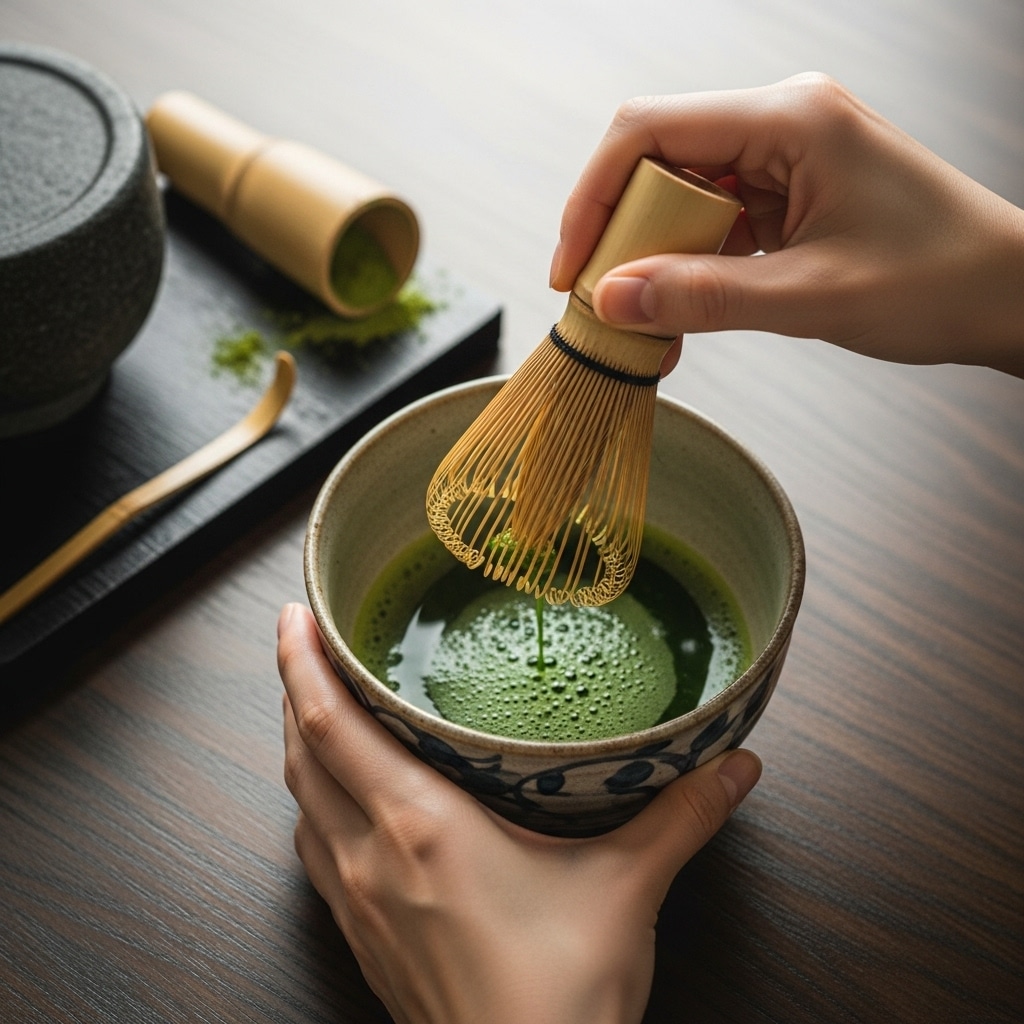
Matcha, rooted in the Japanese tea ceremony (Chado or “The Way of Tea”), carries a tradition of mindfulness and intention. The act of preparing matcha—sifting the powder, whisking it with hot water into a frothy beverage—is a meditative process in itself. Engaging in this ritual can be a calming, centering start to the day, promoting mental clarity before the caffeine even kicks in.
Sourcing and Quality Matter
The benefits of both beverages are highly dependent on their quality. For matcha, there’s a world of difference between high-quality, shade-grown, stone-ground ceremonial grade matcha and lower-quality culinary grade matcha, which can be more bitter and less potent. It’s also important to source matcha from reputable regions in Japan to avoid potential contamination with heavy metals like lead, which the tea plant can absorb from the soil.
Similarly, with coffee, the quality of the beans is paramount. Single-origin, organically grown beans are preferable to mass-market blends that may have been treated with pesticides. Poor-quality coffee can also be a source of mycotoxins, which are toxic compounds produced by mold that can grow on beans if they are not processed or stored correctly.
Matcha vs. Coffee: The Final Verdict
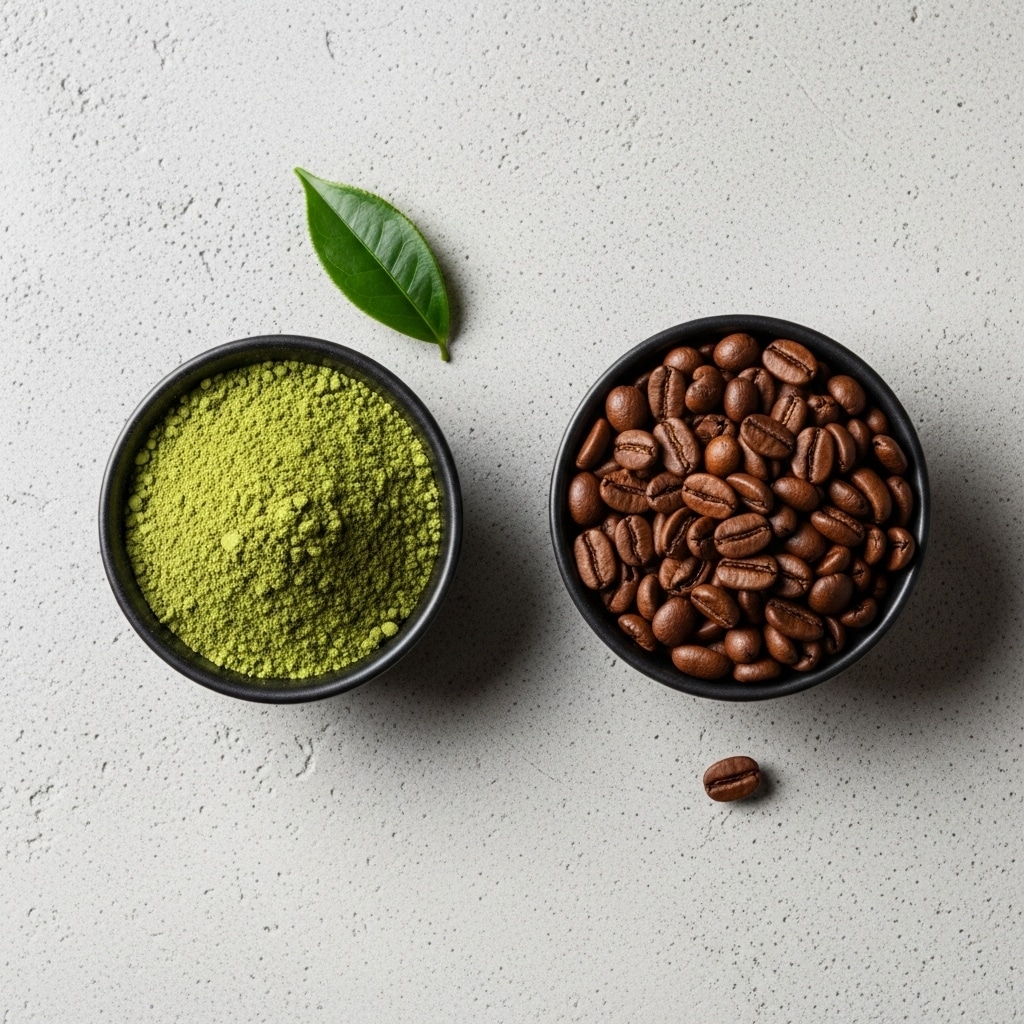
So, after weighing the evidence, which beverage comes out on top? The truth is, there is no single winner. The best choice is entirely personal and depends on your unique biology, goals, and preferences.
Here’s a quick summary to help you decide:
Choose Coffee if:
- You need a fast, powerful jolt of energy to start your day or power through a slump.
- You’re looking for an effective pre-workout drink to maximize performance and fat burning.
- You enjoy the rich, bold, and complex flavor profile of roasted beans.
- Your digestive system is robust and not sensitive to acidic foods or drinks.
Choose Matcha if:
- You want sustained, jitter-free energy and calm, focused alertness for several hours.
- You are sensitive to caffeine spikes and crashes or suffer from anxiety.
- You want to maximize your intake of the powerful antioxidant EGCG.
- You have a sensitive stomach or suffer from acid reflux.
- You enjoy the mindful ritual of preparation and its unique, umami, grassy flavor.
Conclusion: Your Perfect Cup Awaits
The rise of matcha doesn’t mean the fall of coffee. Instead, it signifies a welcome expansion of our choices for caffeinated wellness. Both drinks offer a wealth of health benefits and can be a delightful part of a healthy lifestyle. You might even find that there’s room for both in your routine—a powerful cup of coffee before a morning gym session, and a mindful bowl of matcha for a productive afternoon of focused work.
The ultimate decision in the Matcha vs. Coffee debate rests with you. We encourage you to listen to your body, consider your personal wellness goals, and experiment. Try both, pay attention to how you feel, and discover which of these incredible beverages best serves you on your journey to a more energized and focused life.