

Embarking on a weight loss journey can feel both exciting and daunting. The desire for quick results is a powerful motivator, but the path to sustainable health often seems long and arduous. What if you could kickstart your transformation with noticeable results in just 15 days? This guide is designed to do exactly that. We’ve compiled nine science-backed, actionable tips that can help you lose weight fast, not by promoting unhealthy crash diets, but by fostering powerful habits that enhance your metabolism, reduce calorie intake, and improve your overall well-being.
Losing weight rapidly requires a multi-faceted approach that addresses diet, hydration, physical activity, and even sleep. The strategies outlined here are not magic pills; they are lifestyle adjustments that work in synergy to create a significant caloric deficit and optimize your body’s fat-burning potential. Whether you have an upcoming event or simply want to ignite your motivation with a strong start, these nine tips will provide a clear roadmap to help you feel lighter, more energetic, and in control of your health in just over two weeks.
1. Hydration is Key: Drink 9 Glasses of Water Daily
One of the simplest yet most effective tools in your weight loss arsenal is water. It’s calorie-free, readily available, and plays a crucial role in nearly every bodily function, including metabolism.
Why Water is a Weight Loss Superhero
Proper hydration is fundamental to losing weight. Firstly, water is a natural appetite suppressant. Drinking a glass of water before a meal can help you feel fuller, leading you to consume fewer calories. A study published in the journal Obesity found that adults who drank 500ml of water before each meal lost 44% more weight over 12 weeks than those who didn’t. Secondly, water boosts your metabolism. Even mild dehydration can slow it down. Your body needs water to efficiently metabolize stored fat and carbohydrates. Drinking cold water can be particularly effective, as your body expends extra energy (calories) to heat the water to body temperature.
How Much is Enough? The 9-Glass Rule
The common advice is eight 8-ounce glasses, but aiming for nine (or about 2 to 2.2 liters) provides a solid target for weight loss. This amount ensures your body remains in a hydrated state, optimizing metabolic function and helping your kidneys and liver flush out waste products and byproducts of fat metabolism. Your individual needs may vary based on activity level, climate, and body size, but nine glasses is an excellent starting point for most people looking to shed pounds.
Practical Tips to Increase Your Water Intake
- Start Early: Drink a full glass of water right after you wake up.
- Carry a Bottle: Keep a reusable water bottle with you at all times.
- Set Reminders: Use your phone or a smart watch to set hourly reminders to drink.
- Infuse It: If you find plain water boring, add slices of cucumber, lemon, mint, or berries for a natural flavor boost without the calories.
2. Embrace Intermittent Fasting: The 16/8 Method
Intermittent fasting (IF) is not a diet but an eating pattern. It cycles between periods of eating and fasting. The 16/8 method is one of the most popular and sustainable approaches, involving fasting for 16 hours each day and restricting your eating to an 8-hour window.
Understanding the 16/8 Fasting Window
With this method, you might choose to have your eating window from 12:00 PM to 8:00 PM. This means you would skip a traditional breakfast but could eat a healthy lunch, a snack, and dinner within those eight hours. The 16-hour fasting period, most of which occurs while you sleep, is when the metabolic magic happens. During this time, you can drink water, black coffee, and green tea to stay hydrated and manage hunger.
The Science Behind Fasting and Fat Burning
When you fast, your body goes through several changes. Insulin levels drop significantly, which facilitates fat burning. Your body’s cells also initiate cellular repair processes. Furthermore, fasting can increase levels of norepinephrine, a hormone that helps break down body fat and use it for energy. By simply limiting your eating window, you naturally tend to consume fewer calories throughout the day, creating the deficit needed for weight loss without feeling overly restricted during your meals.
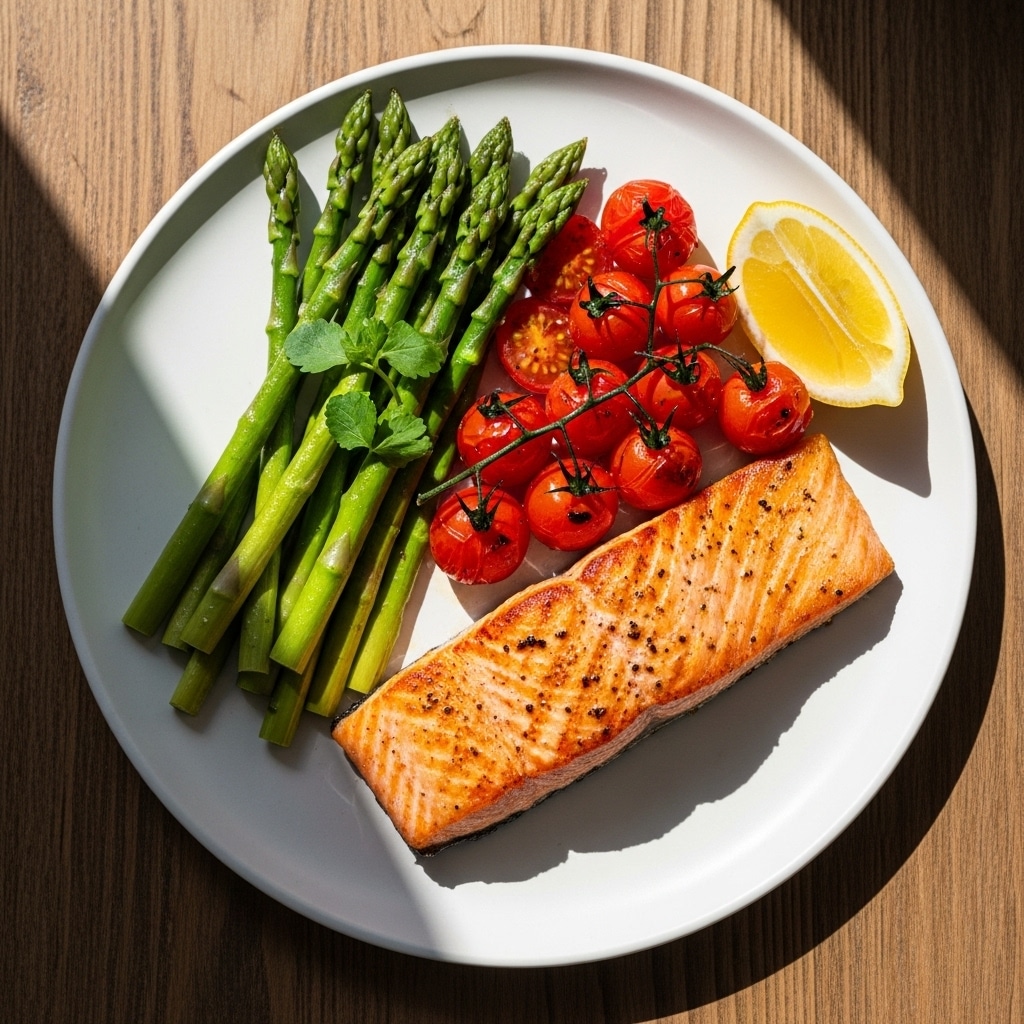
3. Power Up with Protein and Vegetables
What you eat during your 8-hour window is just as important as when you eat it. Focusing on high-protein foods and non-starchy vegetables is a cornerstone of rapid and healthy weight loss.
The Role of Protein in Satiety and Muscle Mass
Protein is the most satiating macronutrient. A high-protein diet has been shown to reduce appetite and cravings significantly. It boosts metabolism because the body uses more energy to digest protein compared to fats and carbs (this is known as the Thermic Effect of Food). Furthermore, adequate protein intake is crucial for preserving lean muscle mass during weight loss. Since muscle burns more calories at rest than fat, maintaining it is key to keeping your metabolism high. Aim to include a source of lean protein—such as chicken breast, fish, eggs, tofu, or legumes—in every meal.
Why Vegetables are Your Best Friend for Weight Loss
Vegetables, particularly the non-starchy kind like leafy greens, broccoli, cauliflower, and bell peppers, are incredibly nutrient-dense and low in calories. They are packed with fiber and water, which add volume to your meals and help you feel full for longer. Fiber also aids in digestion and helps stabilize blood sugar levels, preventing the energy crashes that can lead to unhealthy snacking.
Building the Perfect High-Protein, Veggie-Packed Plate
Aim to fill half of your plate with a colorful variety of non-starchy vegetables, one-quarter with a lean protein source, and the remaining quarter with a complex carbohydrate like quinoa or a healthy fat source like avocado. This balanced approach ensures you get all the necessary nutrients while keeping your calorie count in check.
4. Ditch the Sugar: The Fastest Way to Cut Calories
If there’s one villain in the modern diet, it’s added sugar. It provides empty calories with no nutritional benefit and can sabotage even the most diligent weight loss efforts.
The Hidden Dangers of Sugary Foods and Drinks
Sugary foods and beverages, such as sodas, fruit juices, candies, and pastries, cause rapid spikes in blood sugar and insulin. This can lead to increased fat storage, especially around the abdominal area. The subsequent crash in blood sugar often triggers intense cravings for more sugar, creating a vicious cycle. Cutting out these items is one of the quickest ways to reduce your calorie intake and improve your metabolic health.
Identifying and Eliminating Hidden Sugars
Be a label detective. Sugar hides in many processed foods you might not expect, including sauces, salad dressings, yogurt, and breakfast cereals. Look for ingredients like high-fructose corn syrup, sucrose, dextrose, and maltose. For these 15 days, commit to avoiding processed foods and drinks with added sugars. This single change can dramatically accelerate your weight loss.
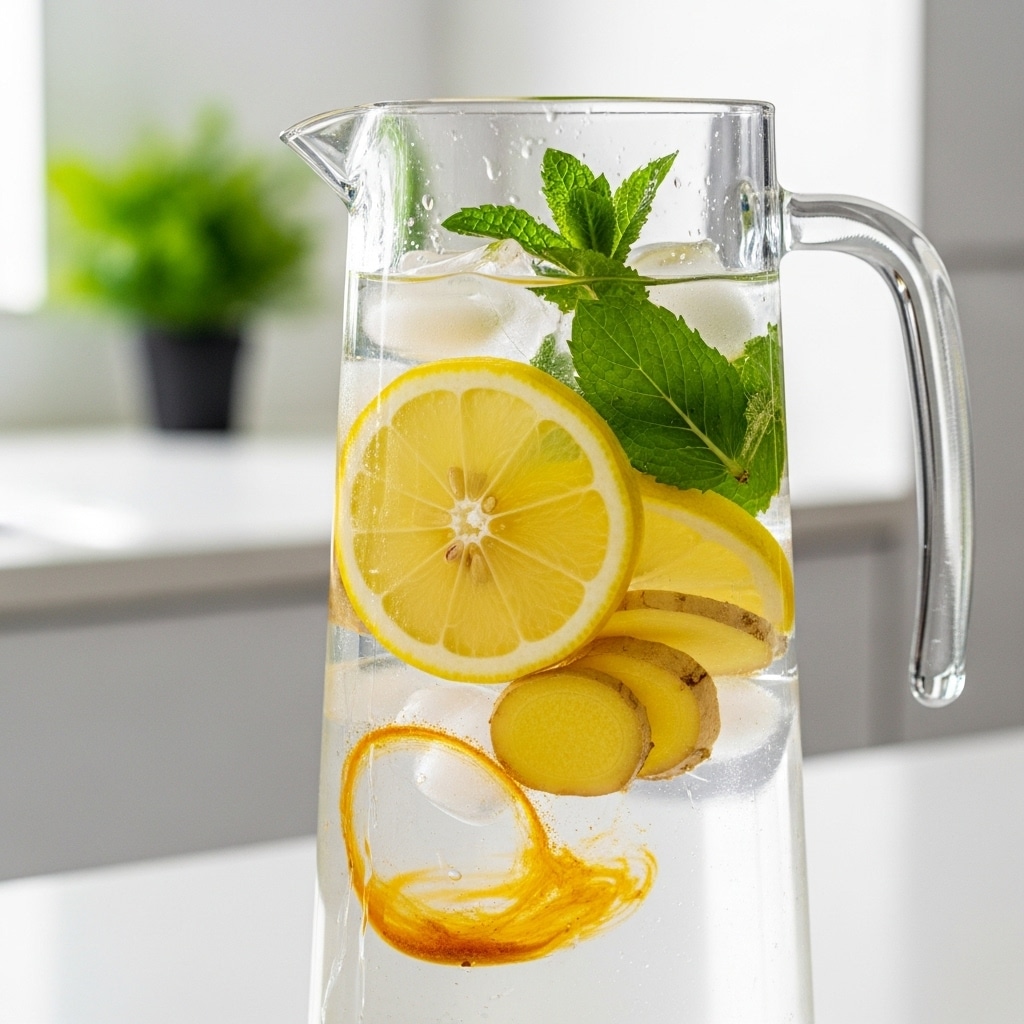
5. Kickstart Your Day with a Detox Elixir
Starting your morning with a specific beverage can set a positive tone for the entire day. A warm drink made with ginger, lemon, and turmeric is a powerful way to awaken your digestive system and support your metabolism.
The Powerful Trio: Ginger, Lemon, and Turmeric
This combination is a staple in traditional medicine for good reason. Lemon is a great source of Vitamin C and helps alkalize the body. Ginger is known for its ability to aid digestion, reduce nausea, and fight inflammation. Turmeric contains curcumin, a potent anti-inflammatory and antioxidant compound that can improve insulin sensitivity.
Benefits for Metabolism and Digestion
Drinking this warm concoction on an empty stomach can help hydrate you, flush out toxins, and give your metabolism a gentle nudge. Ginger can slightly increase the thermic effect of food, meaning your body burns more calories digesting it. Together, these ingredients support a healthy gut, reduce bloating, and prepare your body for the day’s meals, making it a perfect addition to your 15-day plan.
6. Get Moving: Walk 1 KM (or More) Every Day
While diet plays the largest role in weight loss, physical activity is essential for burning extra calories, improving cardiovascular health, and boosting your mood. Walking is a low-impact, accessible, and highly effective form of exercise.
Why Walking is an Underrated Weight Loss Tool
Don’t underestimate the power of a daily walk. A brisk one-kilometer walk can burn a significant number of calories and, more importantly, it’s a sustainable habit. Unlike intense workouts that can sometimes lead to burnout or injury, walking can be easily integrated into your daily routine. It helps burn fat, improves insulin sensitivity, and reduces stress levels—all of which are beneficial for weight loss.
From 1KM to a Habit: Increasing Your Daily Steps
Start with the goal of at least 1 kilometer (about 1,200-1,500 steps) and aim to increase it gradually. Use a pedometer or your smartphone to track your steps. Look for opportunities to walk more: take the stairs, park further away from your destination, or go for a walk during your lunch break. The key is consistency.
7. Prioritize Sleep: Rest for 7-8 Hours a Night
Sleep is the unsung hero of weight management. A lack of quality sleep can completely derail your weight loss progress, no matter how perfect your diet and exercise routine.
The Critical Link Between Sleep and Weight Hormones
Sleep deprivation wreaks havoc on the hormones that regulate hunger: ghrelin and leptin. Ghrelin is the ‘hunger hormone’ that signals your brain to eat, while leptin is the ‘satiety hormone’ that tells you you’re full. When you’re sleep-deprived, ghrelin levels spike, and leptin levels plummet. This creates a perfect storm for overeating and cravings, particularly for high-calorie, sugary foods. Lack of sleep also increases cortisol, the stress hormone, which is linked to increased fat storage.
Actionable Steps for a Better Night’s Sleep
Aim for 7-8 hours of quality sleep per night. To improve your sleep hygiene, establish a regular sleep schedule (even on weekends), create a dark, quiet, and cool sleeping environment, and avoid screens (phones, TVs) for at least an hour before bed. A relaxing bedtime routine can also signal to your body that it’s time to wind down.
8. The Cucumber Hack: Eat One a Day
This simple tip is surprisingly effective. Including one whole cucumber in your daily diet can aid weight loss in several ways.
Low in Calories, High in Nutrients and Water
Cucumbers are over 95% water, making them incredibly hydrating and very low in calories (a whole cucumber has only about 45 calories). They are also a good source of fiber, vitamins, and minerals. Their high water and fiber content helps you feel full, making them an excellent snack to stave off hunger between meals or a great way to add volume to salads and other dishes without adding significant calories.
Creative Ways to Add Cucumber to Your Diet
- Snack on slices: Pair them with a healthy dip like hummus.
- Add to salads: Their crisp texture adds a refreshing crunch.
- Infuse your water: Add cucumber slices to your water for a spa-like drink.
- Make a cucumber smoothie: Blend with mint, lime, and a little yogurt.
9. Sip on Green Tea for a Metabolic Boost
Green tea has been celebrated for its health benefits for centuries, and its role in weight management is well-supported by modern science.

Catechins and Caffeine: The Fat-Burning Duo
Green tea is rich in powerful antioxidants called catechins, particularly epigallocatechin gallate (EGCG). EGCG, in combination with the natural caffeine in green tea, can boost metabolism and increase fat oxidation. Studies suggest that green tea can help your body burn more calories, even at rest. It specifically helps mobilize fat from fat cells, making it more available for use as energy.
When and How to Drink Green Tea
To reap the benefits, aim for 2-3 cups of unsweetened green tea per day. Drinking a cup before a workout can be particularly effective for enhancing fat burn. Be mindful of drinking it too late in the evening if you are sensitive to caffeine. Choose high-quality green tea, like matcha or sencha, for the highest concentration of beneficial compounds.
Conclusion: Your 15-Day Kickstart to a Healthier You
Losing weight fast in 15 days is an achievable goal when you implement the right strategies. This is not about deprivation; it’s about smart, synergistic choices. By hydrating effectively, timing your meals with intermittent fasting, fueling your body with protein and vegetables, cutting out sugar, prioritizing sleep, and incorporating gentle movement and metabolic boosters like green tea, you create a powerful foundation for rapid results.
Use this 15-day period as a catalyst for long-term change. Pay attention to how your body feels—more energetic, less bloated, and more in control. These nine tips are more than a short-term fix; they are the building blocks of a sustainable, healthy lifestyle that can lead to lasting weight management and improved overall health. Start today, stay consistent, and unlock a healthier, more confident you.